
When flu type A tests a life already defined by PNH
Viruses can tip the balance in an already unstable body
Written by |





After the holidays, most of us expect to return to our routine: familiar rhythms, predictable appointments, and the steady hum of normal life. But when influenza type A hit me hard recently, that return felt less like a reset and more like a collision of challenges — one that reminded me all over again what it truly means to live with paroxysmal nocturnal hemoglobinuria (PNH).
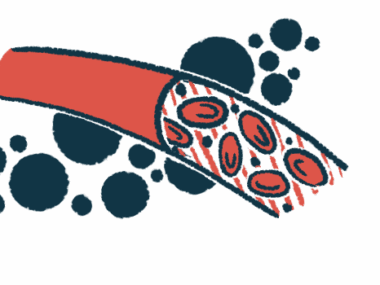
PNH is a rare blood disorder in which the immune system attacks and destroys red blood cells, leading to chronic symptoms such as fatigue, anemia, and a vulnerability to complications most people never think about. But even with that understanding, catching the flu while already navigating PNH wasn’t something I was fully prepared for.
When the first symptoms of flu A appeared — body aches, fever, chills — I braced myself. For most people, the flu means rest and hydration. For someone with PNH, it also means being hyperaware of how infection can trigger something far more dangerous: breakthrough hemolysis, a spike in red blood cell destruction that can rapidly worsen anemia and other symptoms.

A new level of vulnerability
Almost immediately, I noticed my PNH symptoms intensifying. The fatigue that usually settles into my bones became heavier; every breath felt like an extra task. My labs showed a dip in hemoglobin, and my body felt like it was running a marathon at a snail’s pace. I felt fragile — a word I rarely use to describe myself because I’ve learned to be strong — but the combination of a viral infection and an already stressed immune system gave me a new perspective on vulnerability.
I was reminded of why PNH patients are often encouraged to carefully protect themselves from infections. People with this condition can be more susceptible to complications such as anemia, blood clots, and low immunity. Respiratory viruses like the flu might not just make us sick; they can tip the balance inside a body that’s already fighting to stay stable.
Through it all, there were moments of fear and frustration — times when I questioned how much my body could take, how quickly help would arrive if it got worse. But there were also moments of clarity: when I checked in with my care team, when I practiced deep breathing to calm my anxiety, and when I reminded myself that I had endured and adapted before — and I could do it again.
To anyone else living with PNH, this experience serves as a reminder: Your body may not react to stress the way others do, and it definitely won’t forget when you’re unwell. But your resilience is real. Your vigilance matters. And your life, full of challenges and triumphs, is still yours to live fully.
For anyone wanting to learn more about PNH and infections, the Aplastic Anemia and MDS International Foundation provides a helpful overview. You can also read a 2023 article published in the International Journal of Molecular Sciences, which explores the relationship between respiratory viral infections and breakthrough hemolysis in PNH. These resources can help deepen understanding for both patients and loved ones navigating this rare condition.
Note: PNH News is strictly a news and information website about the disease. It does not provide medical advice, diagnosis, or treatment. This content is not intended to be a substitute for professional medical advice, diagnosis, or treatment. Always seek the advice of your physician or other qualified health provider with any questions you may have regarding a medical condition. Never disregard professional medical advice or delay in seeking it because of something you have read on this website. The opinions expressed in this column are not those of PNH News or its parent company, Bionews, and are intended to spark discussion about issues pertaining to paroxysmal nocturnal hemoglobinuria.


Leave a comment
Fill in the required fields to post. Your email address will not be published.